緑の政治のシンクタンク ハインリヒ・ベル財団 東アジア事務所 ハインリヒ・ベル財団について 設立理念 ハインリヒ・ベル お問合せ・アクセス 事務所の所在地 ニュ-ス AI Governance and Information Rights. (Part 2) As the government and industry accelerate the AI race, civil society groups continue to warn about privacy violations, labor control, the spread of surveillance technologies, and broader human rights concerns. Yet the digital justice movement has not yet grown into a broad-based social movement. Jang Yeo-kyung, Executive Director of the Institute for Digital Rights(IDR), warns that although the harms may still appear fragmented, the rights of citizens and the principles of democracy are already being put to the test. Hyejin Yoo AI Governance and Information Rights. (Part 1) interview As generative AI rapidly expands and discourse surrounding an “AI Basic Society” and the ambition to become one of the world’s “Top3 AI Powers” intensifies, calls are growing in South Korea for technology to be understood from more multidimensional perspectives. We spoke with Yeo-kyeong Chang, Executive Director of the institute, about the evolution of Korea’s information rights movement, the demands civil society is raising from the perspective of digital justice in the age of artificial intelligence, and its perspective on the governance shaping AI policymaking. Hyejin Yoo Perceptions of LGBTQ+ Politics through the RUN/OUT Project From September 2025 to January 2026, the LGBTQ+ political participation project RUN/OUT was conducted over four sessions, bringing together a total of 128 participants. Who took part in this project, and how do they perceive political participation? As the pilot program came to a close, we conducted a short survey. Drawing on the survey results and the RUN/OUT experience, we take an exploratory approach to examining how perceptions of LGBTQ+ politics are formed. Jaehoon Jung Beyond Washington and Beijing: Why Germany Needs the Global South President's column The US is largely falling away as a partner, China is binding the Global South closer. To help shape tomorrow’s world order, Europe needs new, credible platforms for climate, development, and fair trade rules – together with the emerging middle powers. Imme Scholz US Intervention in Venezuela: Europe Must Not Shy Away Now Presidents’ column With the violation of international law in Venezuela by the US, the hegemonic ambitions of the Trump administration are impossible to ignore. The EU’s hesitant response has weakened the Union at a crucial moment. Where should Europe go from here? Imme Scholz, Jan Philipp Albrecht Sensing the “Global” During My Trip to Thailand What happens when a quiet observer steps into a global space? A journey from a “small-island mindset” to a more global sensibility. From unexpected moments of solidarity to discovering the power of simple connection, this reflection explores what it means to step beyond familiar borders and join a wider world. Han Lee 最新の記事 ベル財団の世界中のイベント Currently, no events are scheduled, but stay tuned for updates! 活動・トピック デジタルポリシー エコロジー 民主主義 外交政策 出版物 ブラジル アマゾン アトラス 2025 Atlas アマゾンは植民地主義と開発主義のもとで先住民の知と生活を抑圧されてきた。今日、鉱業や大規模農業が気候危機の中で新たな脅威となっている。本『ブラジル・アマゾン・アトラス』は、地域住民の視点と知を中心に据え、固定観念を解体し、先住民の権利と主体性こそがアマゾンと地球の未来に不可欠であることを示す。 Heinrich-Böll-Stiftung Economy Atlas in Korean 2025 Atlas 私たちの生産と消費のあり方は変わらなければならない。制御されない気候危機、枯渇する資源、環境汚染、生物多様性の喪失は、持続可能性と社会的責任を企業、金融機関、貿易の中心に据えた転換を求めている。さらに、廃棄物を抑制し、インフラを近代化するための新たな規制政策も必要である。 ハインリヒ・ベル財団『経済アトラス2025(韓国語版)』は、この転換に不可欠な施策を示すだけでなく、経済活動の歴史と多様性を捉えるための基本的な視座を提供している。 Heinrich-Böll-Stiftung 農薬アトラス 韓国語版(英語版) Atlas 韓国における農薬使用は、20世紀初頭の日本統治時代に日本式農業体制への強制転換から始まりました。1960年代以降の急速な工業化の背景には、世界最高水準の農薬使用量による環境汚染と農薬中毒の問題がありました。当局は農薬会社に管理を委ね、会社は農薬販売にしか関心がないため、自然と人のための農薬政策の実現は遠い道のりです。 Small Is Beautiful , Heinrich-Böll-Stiftung エネルギーアトラス韓国語版2022 Atlas 欧州エネルギーアトラスは、EU加盟国が2030年のためのエネルギーおよび気候戦略、いわゆるクリーンエネルギーパッケージを議論する時点で出版されました。これらの目標と規制は、今後数十年間、ヨーロッパのエネルギーと気候政策を形成します。また、気候変動に効果的に対処し、地球温暖化を摂氏2度に制限できるかどうかの決定的な要素となります。 この韓国語翻訳はドイツのエネルギーアトラス2018に基づいています。 Small Is Beautiful , Heinrich-Böll-Stiftung et al. 『パニクるな』創刊号 この特別な雑誌は、気候活動家たち、そして気候危機に直面して不安を感じているすべての人々のためのガイドブックです。 Heinrich Boell Foundation East Asia 韓国語の出版物 Read more
AI Governance and Information Rights. (Part 2) As the government and industry accelerate the AI race, civil society groups continue to warn about privacy violations, labor control, the spread of surveillance technologies, and broader human rights concerns. Yet the digital justice movement has not yet grown into a broad-based social movement. Jang Yeo-kyung, Executive Director of the Institute for Digital Rights(IDR), warns that although the harms may still appear fragmented, the rights of citizens and the principles of democracy are already being put to the test. Hyejin Yoo
AI Governance and Information Rights. (Part 1) interview As generative AI rapidly expands and discourse surrounding an “AI Basic Society” and the ambition to become one of the world’s “Top3 AI Powers” intensifies, calls are growing in South Korea for technology to be understood from more multidimensional perspectives. We spoke with Yeo-kyeong Chang, Executive Director of the institute, about the evolution of Korea’s information rights movement, the demands civil society is raising from the perspective of digital justice in the age of artificial intelligence, and its perspective on the governance shaping AI policymaking. Hyejin Yoo
Perceptions of LGBTQ+ Politics through the RUN/OUT Project From September 2025 to January 2026, the LGBTQ+ political participation project RUN/OUT was conducted over four sessions, bringing together a total of 128 participants. Who took part in this project, and how do they perceive political participation? As the pilot program came to a close, we conducted a short survey. Drawing on the survey results and the RUN/OUT experience, we take an exploratory approach to examining how perceptions of LGBTQ+ politics are formed. Jaehoon Jung
Beyond Washington and Beijing: Why Germany Needs the Global South President's column The US is largely falling away as a partner, China is binding the Global South closer. To help shape tomorrow’s world order, Europe needs new, credible platforms for climate, development, and fair trade rules – together with the emerging middle powers. Imme Scholz
US Intervention in Venezuela: Europe Must Not Shy Away Now Presidents’ column With the violation of international law in Venezuela by the US, the hegemonic ambitions of the Trump administration are impossible to ignore. The EU’s hesitant response has weakened the Union at a crucial moment. Where should Europe go from here? Imme Scholz, Jan Philipp Albrecht
Sensing the “Global” During My Trip to Thailand What happens when a quiet observer steps into a global space? A journey from a “small-island mindset” to a more global sensibility. From unexpected moments of solidarity to discovering the power of simple connection, this reflection explores what it means to step beyond familiar borders and join a wider world. Han Lee
ブラジル アマゾン アトラス 2025 Atlas アマゾンは植民地主義と開発主義のもとで先住民の知と生活を抑圧されてきた。今日、鉱業や大規模農業が気候危機の中で新たな脅威となっている。本『ブラジル・アマゾン・アトラス』は、地域住民の視点と知を中心に据え、固定観念を解体し、先住民の権利と主体性こそがアマゾンと地球の未来に不可欠であることを示す。 Heinrich-Böll-Stiftung
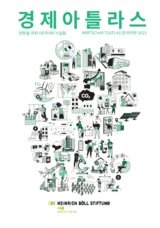
Economy Atlas in Korean 2025 Atlas 私たちの生産と消費のあり方は変わらなければならない。制御されない気候危機、枯渇する資源、環境汚染、生物多様性の喪失は、持続可能性と社会的責任を企業、金融機関、貿易の中心に据えた転換を求めている。さらに、廃棄物を抑制し、インフラを近代化するための新たな規制政策も必要である。 ハインリヒ・ベル財団『経済アトラス2025(韓国語版)』は、この転換に不可欠な施策を示すだけでなく、経済活動の歴史と多様性を捉えるための基本的な視座を提供している。 Heinrich-Böll-Stiftung
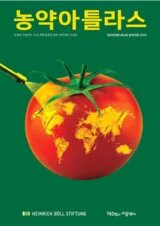
農薬アトラス 韓国語版(英語版) Atlas 韓国における農薬使用は、20世紀初頭の日本統治時代に日本式農業体制への強制転換から始まりました。1960年代以降の急速な工業化の背景には、世界最高水準の農薬使用量による環境汚染と農薬中毒の問題がありました。当局は農薬会社に管理を委ね、会社は農薬販売にしか関心がないため、自然と人のための農薬政策の実現は遠い道のりです。 Small Is Beautiful , Heinrich-Böll-Stiftung
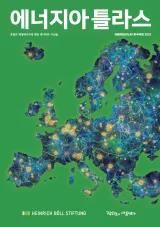
エネルギーアトラス韓国語版2022 Atlas 欧州エネルギーアトラスは、EU加盟国が2030年のためのエネルギーおよび気候戦略、いわゆるクリーンエネルギーパッケージを議論する時点で出版されました。これらの目標と規制は、今後数十年間、ヨーロッパのエネルギーと気候政策を形成します。また、気候変動に効果的に対処し、地球温暖化を摂氏2度に制限できるかどうかの決定的な要素となります。 この韓国語翻訳はドイツのエネルギーアトラス2018に基づいています。 Small Is Beautiful , Heinrich-Böll-Stiftung et al.
『パニクるな』創刊号 この特別な雑誌は、気候活動家たち、そして気候危機に直面して不安を感じているすべての人々のためのガイドブックです。 Heinrich Boell Foundation East Asia