For those heading to COP30 — have you worried about the climate crisis today?
While we’ve been carrying our tumblers, what have the governments that promised carbon reductions been doing?
At COP30 — the UN Climate Change Conference, the most crucial international meeting for humanity’s survival — will we finally see meaningful progress this year?
A magazine for the world’s climate action team play has just been launched.Introducing the first issue of ⟪Don’t Panic パニクるな 침착할 것⟫.
An attempt to bridge climate diplomacy, citizens, activists, and policymakers.
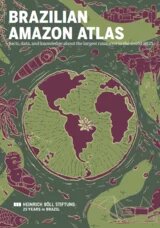
The Amazon has long been defined through colonial names and developmentalist narratives that erased Indigenous and traditional peoples and justified violence, dispossession, and exploitation. Today, mining, agribusiness, and infrastructure projects threaten the region amid the climate crisis. The Brazilian Amazon Atlas challenges these stereotypes by centering the perspectives, knowledge, and struggles of the region’s diverse inhabitants, asserting that their territorial rights and ways of life are essential to climate justice and the future of the planet.
The way we produce and consume must change. The unchecked climate crisis, dwindling resources, environmental pollution, and loss of biodiversity demand a transition that places sustainability and social responsibility at the forefront of businesses, banks, and trade. Additionally, new regulatory policies are needed to curb waste and modernize infrastructure.
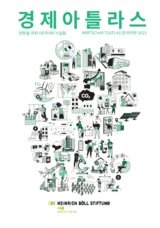
Heinrich Böll Foundation’s Economic Atlas 2025 (Korean Ver.) not only highlights the essential measures for this transition but also offers a fundamental perspective on the history and diversity of economic activity.